
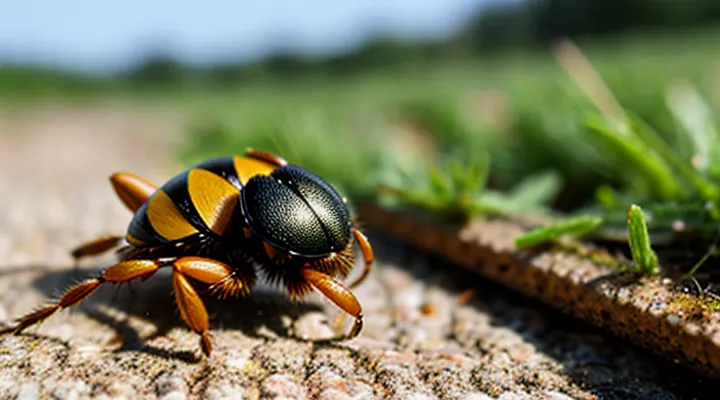
Is it safe to crush a tick?
Why crushing a tick is dangerous
Risk of pathogen transmission
Crushing a tick can release infectious agents present in its salivary glands, gut contents, or hemolymph. Pathogens such as Borrelia burgdorferi, Anaplasma phagocytophilum, and Rickettsia spp. may become airborne or contaminate surfaces, increasing the likelihood of human exposure through skin contact or inhalation.
Safe methods for eliminating a tick without risking pathogen spread include:
- Grasp the tick with fine‑pointed tweezers as close to the skin as possible, pull upward with steady pressure, then dispose of the specimen in a sealed container containing alcohol.
- Immerse the attached tick in 70 % isopropyl alcohol for at least five minutes before removal, ensuring the pathogen is inactivated.
- Apply a drop of liquid nitrogen or place the tick in a freezer at –20 °C for a minimum of ten minutes, then discard it in a sealed bag.
- Use a heat source (e.g., a lighter or a specialized tick‑killing device) to burn the tick while it remains attached, avoiding direct contact with the skin.
Additional precautions: wash hands thoroughly after any handling, avoid squeezing the tick’s body, and clean the bite area with antiseptic. These steps minimize the chance that pathogens are transferred from the tick to the person handling it.
Risk of skin irritation and infection
Crushing a tick while it remains attached to the skin poses a direct risk of skin irritation and infection. When the body of the arthropod is ruptured, saliva, gut contents, and pathogens are released onto the surrounding epidermis. Contact with these substances can trigger an inflammatory response, manifested as redness, swelling, and itching. If bacterial agents such as Staphylococcus spp. or Streptococcus spp. enter through micro‑abrasions, a secondary infection may develop, requiring medical treatment.
Safe elimination of a tick eliminates exposure to these hazards. Recommended procedures include:
- Grasping the tick as close to the skin as possible with fine‑point tweezers, applying steady upward pressure until the mouthparts detach; avoid squeezing the body.
- Placing the removed tick in a sealed container with alcohol or a disinfectant solution for disposal; do not crush it in the hand.
- Using a commercial tick removal tool designed to lock onto the mouthparts, then disposing of the tick in a biohazard bag or flushing it down the toilet.
- If immediate removal is impossible, covering the tick with a drop of petroleum jelly or an over‑the‑counter acaricide can immobilize it, after which removal follows the same non‑crushing technique.
After removal, cleanse the bite area with an antiseptic solution and monitor for signs of infection, such as increasing pain, pus formation, or expanding redness. Prompt medical evaluation is warranted if any of these symptoms appear.
Safe methods for tick destruction
Methods for detached ticks
Alcohol submersion
Crushing a tick can release infectious fluids, increasing the risk of pathogen exposure. Eliminating the arthropod before manipulation reduces that risk. Submersion in alcohol provides a rapid, reliable method of killing ticks without the need for mechanical pressure.
Alcohol submersion works because high‑concentration ethanol or isopropanol denatures proteins and disrupts cell membranes, leading to immediate mortality. A minimum exposure of five minutes in 70 %–90 % alcohol ensures complete inactivation of most tick‑borne pathogens.
Practical procedure:
- Place the tick in a sealable container.
- Add enough «alcohol» to fully cover the specimen.
- Maintain immersion for at least five minutes; extend to ten minutes for larger stages.
- After the exposure period, remove the tick with tweezers, avoiding direct hand contact.
- Dispose of the tick in a sealed bag or incinerate according to local regulations.
Using alcohol eliminates the need for crushing, minimizes aerosol formation, and provides a straightforward disposal pathway. The method is compatible with field and laboratory settings, requiring only a small volume of readily available disinfectant.
Sealing in tape or a bag
Sealing a tick in adhesive tape or a disposable bag provides a reliable barrier that prevents accidental contact with skin or clothing during disposal. The method eliminates the need to crush the arthropod directly, thereby reducing the risk of pathogen transmission.
- Place the tick on a clean, dry surface.
- Cover it completely with a piece of strong adhesive tape, ensuring no gaps.
- Press firmly to immobilize the insect.
- Transfer the taped tick into a sealed plastic bag, removing excess air before sealing.
- Dispose of the bag in a regular trash container; do not recycle the material.
Using tape alone offers immediate containment, while the additional bag layer protects against accidental puncture or tearing. Both materials are inexpensive, readily available, and compatible with standard waste‑handling procedures. This approach aligns with public‑health recommendations for safe tick elimination without the hazards associated with manual crushing.
Flushing down the toilet
Ticks can carry bacteria, viruses, and parasites that may be transmitted when the arthropod is crushed. Physical compression of a tick on the skin or a hard surface can force infected fluids into the surrounding area, increasing the risk of disease transmission. Consequently, methods that destroy the tick without rupturing its body are recommended.
Flushing a tick down the toilet provides a reliable means of destruction. The process eliminates the arthropod in a sealed environment, preventing accidental contact and ensuring that any pathogens are contained within the sewage system, where they are inactivated by standard treatment procedures.
Steps for safe disposal by flushing:
- Grasp the tick with fine‑pointed tweezers, avoiding direct hand contact.
- Place the tick into a small, sealable plastic bag or directly into the toilet bowl.
- Flush immediately, ensuring a strong water flow.
- Wash hands thoroughly with soap and water after handling the tweezers.
The method avoids crushing, minimizes exposure, and complies with public‑health guidelines for tick removal. It is considered safer than crushing, burning, or leaving the tick exposed on a surface.
Methods to avoid
Crushing with fingers or objects
Crushing a tick with fingers or hard objects carries a high risk of releasing infectious material into the skin or surrounding environment. The pressure applied can rupture the tick’s body, forcing saliva, gut contents, or pathogens such as Borrelia, Anaplasma, or Rickettsia into the host. Direct contact with broken tick fragments may also lead to secondary exposure through mucous membranes or open wounds.
Safe removal and destruction require methods that prevent the tick’s body from rupturing. Recommended practices include:
- Grasping the tick as close to the skin as possible with fine‑point tweezers, applying steady upward traction without twisting.
- Placing the detached tick into a sealed container (e.g., a zip‑lock bag) and freezing it for at least 24 hours before disposal.
- Immersing the tick in 70 % isopropyl alcohol, a bleach solution (1 % sodium hypochlorite), or a commercial acaricide for a minimum of 5 minutes, then discarding in a sealed waste bag.
If accidental crushing occurs, immediate decontamination is essential. Wash the area with soap and water, then apply an antiseptic. Dispose of any splattered material in a sealed container and disinfect the surrounding surface with an appropriate disinfectant.
Overall, avoidance of manual crushing eliminates the primary hazard of pathogen dissemination. Employing mechanical extraction followed by chemical inactivation ensures both effective tick elimination and minimal risk of infection.
Burning or applying heat
Burning a tick eliminates the arthropod and any pathogens it may carry, provided the heat source reaches a temperature that denatures proteins and destroys DNA. Direct exposure to open flame, such as a lighter or match, instantly vaporizes the tick, leaving no viable tissue. The method requires careful handling to avoid accidental contact with skin or clothing, which could cause burns.
Safe application of heat includes the following procedures:
- Place the tick on a non‑flammable surface (e.g., metal spoon or ceramic tile).
- Ignite a flame and hold the tick directly above the flame for 2–3 seconds, ensuring complete incineration.
- Allow the ash to cool before disposal in a sealed container.
- Perform the operation in a well‑ventilated area to prevent inhalation of combustion by‑products.
Alternative heat‑based techniques, such as using a laboratory Bunsen burner or an electric soldering iron, achieve comparable results when the tip temperature exceeds 200 °C. Continuous monitoring of the temperature prevents partial destruction, which could release infectious material. After destruction, all tools should be sterilized with alcohol or an autoclave to maintain a pathogen‑free environment.
Drowning in water alone
Drowning while alone in water presents a rapid loss of consciousness, often within seconds, because the body cannot compensate for oxygen deprivation without external assistance. Immediate risk escalates when the victim cannot reach a stable surface or signal for help, and the absence of a rescue partner eliminates the possibility of timely intervention. Preventive strategies focus on eliminating solitary immersion, employing personal flotation devices, and selecting environments with readily accessible exit points. Regular assessment of water conditions, such as currents and temperature, reduces the likelihood of accidental submersion.
Safe elimination of arthropod vectors, such as ticks, requires methods that avoid crushing the organism, which can release infectious material. Effective approaches include:
- Submersion in isopropyl alcohol for a minimum of one minute, ensuring complete immersion.
- Placement in a sealed container followed by freezing at –20 °C for at least 24 hours.
- Use of a specialized tick removal tool that grasps the mouthparts without applying pressure to the body.
Both scenarios underscore the necessity of employing proven, non‑destructive techniques to mitigate health hazards. Reliance on established protocols, rather than improvised actions, maximizes safety for individuals confronting isolated water exposure or tick encounters.
Post-tick removal precautions
Cleaning the bite area
Cleaning the bite area after a tick has been removed reduces the risk of secondary infection and helps detect early signs of disease. Immediate decontamination removes saliva residues that may contain pathogens.
- Wash the site with warm water and mild soap for at least 20 seconds.
- Rinse thoroughly and pat dry with a clean towel.
- Apply an antiseptic solution such as povidone‑iodine or chlorhexidine; allow it to air‑dry.
- Cover with a sterile gauze if the skin is irritated; replace dressing daily.
- Observe the area for redness, swelling, or rash over the next 7‑10 days; seek medical advice if symptoms develop.
Avoid crushing the tick, as rupture can release infectious material. Preferred destruction methods include:
- Submerging the tick in isopropyl alcohol for several minutes.
- Placing the tick in a sealed container with a disinfectant solution.
- Disposing of the tick in a puncture‑proof bag before discarding in household waste.
Proper cleaning of the bite site, combined with safe tick elimination, minimizes health hazards associated with tick exposure.
Monitoring for symptoms
After a tick is removed or destroyed, vigilance for clinical signs remains essential. Early detection of illness reduces the risk of severe complications.
Typical manifestations to watch for include:
- Localized erythema expanding from the bite site, often described as a “bull’s‑eye” rash.
- Fever exceeding 38 °C (100.4 °F).
- Headache, neck stiffness, or photophobia.
- Muscle aches, joint pain, or swelling.
- Fatigue, malaise, or loss of appetite.
- Nausea, vomiting, or abdominal pain.
- Neurological symptoms such as tingling, numbness, or facial weakness.
Symptoms may emerge within hours, days, or several weeks after exposure. Prompt medical evaluation is advised if any of the listed signs appear, especially when a tick bite occurred in an area endemic for Lyme disease, Rocky Mountain spotted fever, or other tick‑borne pathogens. Laboratory testing can confirm infection and guide appropriate antimicrobial therapy.
Continuous monitoring should extend for at least four weeks post‑exposure, because some diseases, such as Lyme, have delayed presentations. Documentation of the bite date, tick identification, and any subsequent symptoms aids healthcare providers in making accurate diagnoses.
When to seek medical attention
Ticks may transmit bacteria, viruses, or parasites. Crushing a tick can release infectious material onto skin or clothing, increasing exposure risk. Safe destruction involves killing the arthropod without rupture, such as freezing, burning, or placing it in sealed alcohol.
Medical evaluation is warranted when any of the following occur:
- Fever, chills, or flu‑like symptoms develop within weeks of a bite.
- Expanding red rash appears at the bite site or elsewhere (e.g., target‑shaped lesion).
- Joint pain, stiffness, or swelling emerge, especially if persistent.
- Neurological signs arise, including facial weakness, headache, or confusion.
- Unusual fatigue, heart palpitations, or shortness of breath develop.
Additional circumstances that justify prompt care include:
- Bite from an unknown or exotic tick species.
- Attachment lasting longer than 24 hours.
- Presence of multiple ticks or repeated exposures.
- Underlying conditions that compromise immunity, such as HIV, chemotherapy, or organ transplantation.
- Pregnancy or breastfeeding.
When seeking assistance, provide healthcare professionals with the tick’s appearance, estimated attachment duration, and any recent travel history. Early diagnosis and appropriate antimicrobial therapy reduce the likelihood of severe complications.